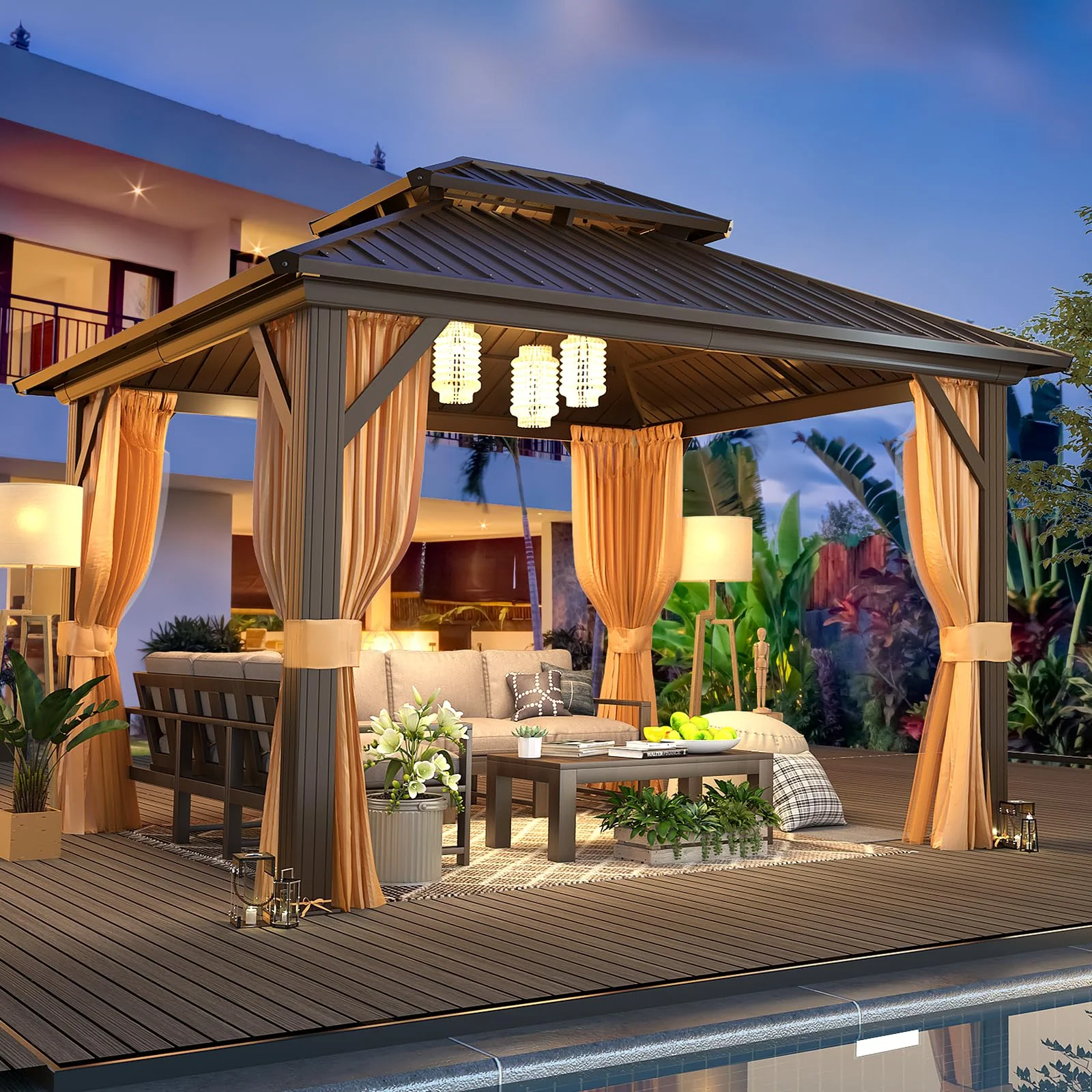
Creating a comfortable, shady spot in a Melbourne backyard is no longer a luxury: it is becoming a must-have as homeowners spend more time outdoors and look for ways to extend their living space into the garden. With changeable weather, strong summer sun and compact urban blocks, a well‑planned gazebo can turn an ordinary yard into a functional, all‑season retreat that works just as well for a quiet coffee as for a big family barbecue. Many homeowners start by browsing gazebos for sale in Melbourne and then adapt layout, materials and styling to match their block size, orientation and lifestyle so the structure looks integrated rather than dropped in as an afterthought. The ideas below focus on real conditions in Victoria’s capital: hot sun, occasional downpours, tighter lots and a growing preference for sustainable, low‑maintenance design.
Classic timber entertaining hub
A timber gazebo suits Melbourne’s preference for relaxed, natural gardens built around organic materials like hardwood, stone and dense planting. Positioned near the house with decking and comfortable seating, it becomes a central entertaining hub that feels like an outdoor living room while still framing views of the rest of the garden.
To make this idea practical year‑round, choose treated or naturally durable timber, integrate dimmable lighting and run power for a small heater or ceiling fan so the space is usable on cool nights and warm afternoons. Pair the structure with native or drought‑tolerant plants and gravel or mulch under surrounding beds to keep maintenance low and water use sensible.
Modern pavilion with clean lines
For contemporary townhouses and architect‑designed homes, a flat‑roof or shallow‑pitch pavilion with steel or aluminium posts and a minimalist profile often looks more at home than a traditional, ornate gazebo. Clean lines, slim posts and a neutral colour palette help the structure blend with modern facades and sliding glass doors, visually extending the indoor living area outdoors.
To keep the pavilion feeling breezy in Melbourne’s variable conditions, leave the sides open or use low, solid walls combined with operable screening such as slatted aluminium or outdoor blinds. A composite or hardwood deck underfoot and integrated LED strip lighting in the roof beams make the space feel finished and inviting at night without demanding a lot of upkeep.
Compact courtyard retreat
Many inner‑city Melbourne blocks are narrow or dominated by paving and fencing, so a full‑size gazebo can overwhelm the space. In these settings, a compact structure tucked into a corner or against a boundary becomes a quiet retreat while still leaving room for planting beds or a small lawn.
Slim posts, a light roof and built‑in bench seating keep the footprint efficient while providing a comfortable place to read, work on a laptop or enjoy an evening drink. Integrating vertical gardens or climbers around the gazebo softens hard surfaces and supports the growing trend towards greener outdoor spaces in dense suburbs.
Poolside shade cabana
For homes with a plunge pool or lap pool, a gazebo that doubles as a cabana transforms the pool zone into a resort‑style setting and adds much‑needed shade on hot afternoons. A roof with good UV performance, paired with lounge chairs or a daybed, means family and guests can move between water and shade without retreating indoors every time the sun feels harsh.
In Melbourne’s conditions, choose roofing designed to reflect heat and provide solid UV protection, and consider side curtains or screens to block late‑afternoon sun and wind. Non‑slip pavers or composite decking, plus storage for towels and pool toys, will keep the area safe and tidy so it remains inviting even on non‑swimming days.
Outdoor kitchen and dining hub
A gazebo built around an outdoor kitchen reflects the strong demand for multi‑functional garden zones, where cooking, dining and lounging all sit within a few metres of each other. Positioning a barbecue, small fridge and bench space under cover allows year‑round grilling, protected from passing showers and summer sun.
Good ventilation is critical, so keep at least two sides open and use a roof design that encourages smoke to escape while still providing reliable shade. Task lighting over cooking surfaces and a large dining table beneath the gazebo turn this zone into a genuine extension of the indoor kitchen during Melbourne’s long summer evenings.
Green pergola‑style gazebo
A hybrid between a pergola and a gazebo, with open rafters and optional partial roofing, suits homeowners who want shade that still allows dappled light and plant growth. This approach works particularly well over decks and paved areas where climbing plants, such as deciduous vines, can provide summer shade and let more light in during winter.
For better weather resilience, combine a solid roof section for dependable shelter with open lattice areas that can be greened up over time. This mix ensures comfortable use during light rain while supporting a softer, more naturalistic look instead of a fully built‑over yard.
All‑weather corner gazebo
Melbourne’s “four seasons in one day” reputation makes an all‑weather gazebo especially attractive, especially on smaller sites where outdoor space has to work hard. A structure with solid roofing, integrated guttering and optional side panels or sliding screens can create a snug corner that performs in sun, wind and light rain.
Polycarbonate or insulated roofing panels with good UV resistance are worth considering for homeowners who want low maintenance and strong protection. Adding outdoor blinds or louvre screens gives control over airflow and privacy, letting the space act as a quiet workspace, kids’ play zone or evening lounge depending on the day.
Firepit‑friendly gazebo zone
With more gardens incorporating firepits and outdoor heating, a gazebo positioned near, but not directly over, a fire feature creates a versatile gathering space. The key is to maintain safe clearances and good airflow so smoke can disperse while people enjoy the warmth from within or beside the covered area.
Materials should be chosen with heat and ember safety in mind, favouring non‑combustible pavers or concrete around the firepit and carefully considered distances to any timber elements. This configuration gives a usable outdoor room in cooler months and a shaded sitting area in summer, improving the overall value of the structure.
Family play and work gazebo
As more residents work from home and families look for flexible garden spaces, a gazebo that can switch between kids’ zone and outdoor office is becoming more popular. A simple, enclosed‑on‑two‑sides structure with power points, a small outdoor rug and storage makes it easy to set up toys one day and a laptop the next.
Position the gazebo where adults can see children from inside the house while keeping the play noise outdoors. For work use, choose comfortable seating, shade‑rated roofing and possibly a ceiling fan so video calls and laptop time remain practical even on warmer days.
Choosing materials and buying smart
Regardless of style, homeowners increasingly look for durable frames, UV‑resistant canopies and low‑maintenance finishes so structures cope with strong sun, wind and occasional heavy rain. Reputable retailers and local suppliers that focus on gazebos built for Australian conditions can help match size, materials and anchoring systems to each specific backyard, whether that means a freestanding timber model on a lawn or a metal‑framed pavilion on a deck.
When comparing options, it is worth balancing budget, warranty and long‑term care: sometimes a slightly higher initial cost delivers better structural integrity and truly high‑quality shade and UV protection. For those who prefer to shop online, an online store «Cosy Deals» can be a convenient way to explore different gazebo sizes and styles suited to Australian backyards, then shortlist models that align with the design ideas outlined above before committing to an installation plan.
Simple checklist for planning
- Measure available space and note boundaries, doors and windows.
- Decide the main purpose: dining, lounging, poolside, kids’ zone or mixed use.
- Check the sun path and prevailing winds to place the gazebo for comfort.
- Choose materials that suit both your home style and maintenance preferences.
- Plan power, lighting and, if needed, heating or a fan before installation.
